

What is the Wattage of Laser Headlights?
As a supplier of laser headlights, I often encounter questions from customers regarding the wattage of these advanced lighting solutions. Understanding the wattage of laser headlights is crucial for various reasons, including energy efficiency, performance, and compliance with regulations. In this blog post, I will delve into the topic of laser headlight wattage, exploring its significance, factors affecting it, and how it compares to other types of headlights.
The Significance of Wattage in Laser Headlights
Wattage is a measure of the power consumed by an electrical device. In the context of laser headlights, it indicates the amount of electrical energy required to operate the laser diodes and other components within the headlight system. Higher wattage generally means more power is being used, which can result in brighter illumination. However, it also implies greater energy consumption and potentially higher heat generation.
For automotive applications, wattage is an important consideration for several reasons. First, energy efficiency is a key concern, especially as the automotive industry moves towards more sustainable and eco-friendly solutions. Lower wattage headlights can help reduce fuel consumption and emissions, making them more environmentally friendly. Second, wattage affects the performance of the headlights. Higher wattage lasers can produce more intense light, which can improve visibility and safety on the road. Finally, wattage is often regulated by automotive standards and regulations to ensure that headlights meet certain safety and performance criteria.
Factors Affecting the Wattage of Laser Headlights
The wattage of laser headlights can vary depending on several factors, including the type of laser technology used, the design of the headlight system, and the intended application. Here are some of the key factors that can influence the wattage of laser headlights:
- Laser Technology: There are different types of laser technologies used in headlights, such as blue laser diodes and infrared lasers. Each type of laser has its own power requirements, which can affect the overall wattage of the headlight system. For example, blue laser diodes typically require more power to operate compared to infrared lasers.
- Headlight Design: The design of the headlight system can also impact the wattage. Factors such as the number of laser diodes, the optical configuration, and the cooling system can all affect the power consumption of the headlights. For instance, a headlight system with multiple laser diodes may require more power than a system with a single diode.
- Intended Application: The intended application of the headlights can also play a role in determining the wattage. Headlights used for high-speed driving or off-road applications may require higher wattage to provide sufficient illumination, while headlights used for city driving may be able to operate at lower wattages.
Comparing the Wattage of Laser Headlights to Other Types of Headlights
To better understand the wattage of laser headlights, it's helpful to compare them to other types of headlights commonly used in vehicles. Here's a brief comparison of the wattage of laser headlights with halogen, LED, and xenon headlights:
- Halogen Headlights: Halogen headlights are the most traditional type of headlights and are known for their relatively low cost. However, they are also the least energy-efficient, typically consuming between 55 and 100 watts per bulb.
- LED Headlights: LED headlights have become increasingly popular in recent years due to their energy efficiency and long lifespan. They typically consume between 10 and 30 watts per bulb, making them significantly more energy-efficient than halogen headlights.
- Xenon Headlights: Xenon headlights, also known as high-intensity discharge (HID) headlights, use a xenon gas-filled bulb to produce a bright, white light. They typically consume between 35 and 55 watts per bulb, which is more energy-efficient than halogen headlights but less efficient than LED headlights.
- Laser Headlights: Laser headlights are the most advanced type of headlights currently available and offer several advantages over other types of headlights, including greater brightness and longer range. However, they also tend to consume more power than LED headlights, typically ranging from 20 to 40 watts per headlight.
Our Laser Headlight Products and Their Wattage
As a supplier of laser headlights, we offer a range of products with different wattages to meet the diverse needs of our customers. Our LED Laser Projector Auxiliary Light is designed to provide additional illumination for off-road vehicles and other applications. It has a wattage of 20 watts, which is relatively low compared to some other laser headlights on the market, making it energy-efficient while still providing a bright and focused beam of light.
Our LED Laser Projector Driving Light is another popular product that is suitable for both on-road and off-road driving. It has a higher wattage of 30 watts, which allows it to produce a more intense beam of light for improved visibility at night.
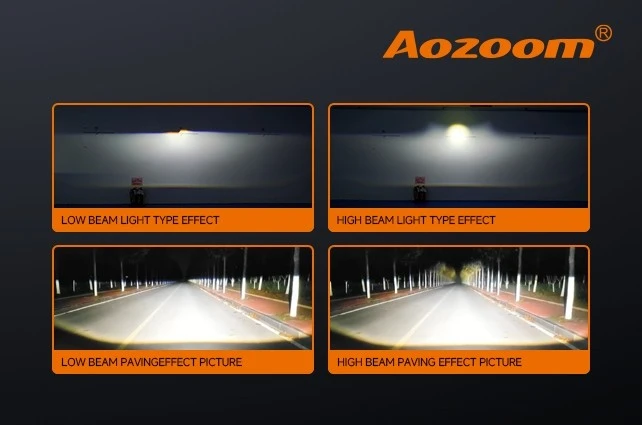
Finally, our LED Laser Projector Headlight is a high-performance headlight system that is designed to replace traditional halogen or LED headlights in vehicles. It has a wattage of 40 watts, which provides a powerful and long-range beam of light for enhanced safety and visibility on the road.

Conclusion and Call to Action
In conclusion, the wattage of laser headlights is an important factor to consider when choosing a headlight system for your vehicle. It affects the energy efficiency, performance, and compliance of the headlights, and can vary depending on several factors such as the type of laser technology used, the design of the headlight system, and the intended application.
As a leading supplier of laser headlights, we are committed to providing our customers with high-quality, energy-efficient, and reliable lighting solutions. Our range of laser headlight products offers different wattages to meet the diverse needs of our customers, whether you are looking for auxiliary lighting for off-road adventures or a high-performance headlight system for your daily commute.
If you are interested in learning more about our laser headlight products or would like to discuss your specific requirements, please feel free to contact us. We would be happy to assist you in finding the perfect lighting solution for your vehicle.
References
- SAE International. (2021). Lighting Standards for Automotive Applications.
- International Electrotechnical Commission (IEC). (2020). Safety Requirements for Laser Products.
- Society of Automotive Engineers (SAE). (2019). Recommended Practice for Automotive Lighting.


